
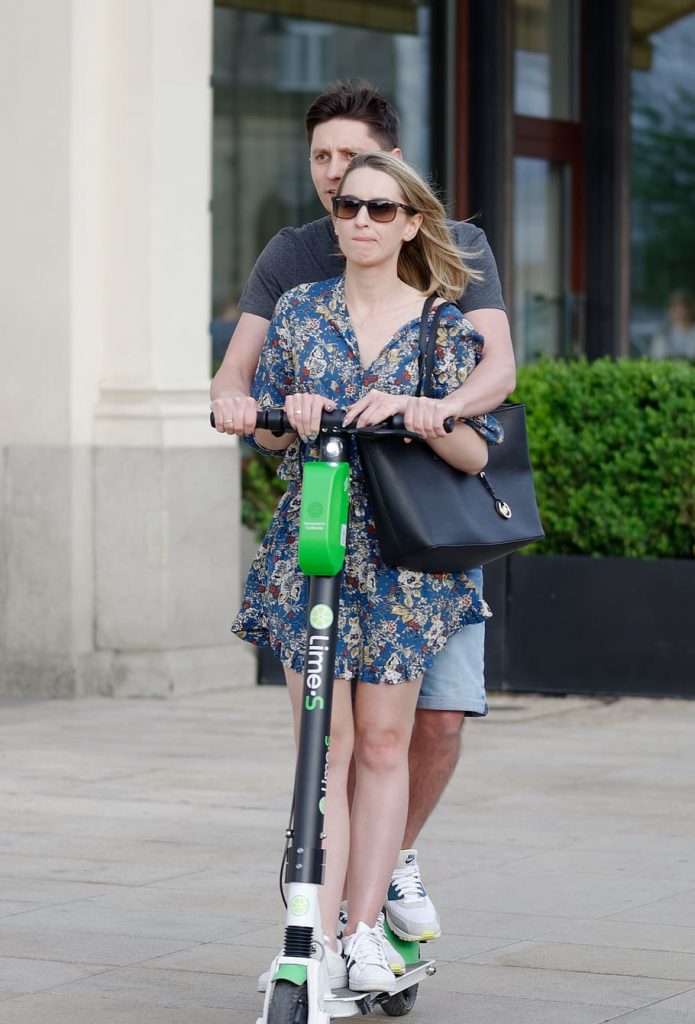
IT WAS INEVITABLE THAT THE increasing use of e-scooters and the lack of control, supervision or any means of identifying either rider or scooter would lead to serious problems.
Latest data indicates the use of e-scooters has surged, with 3.6 million Australians using them in a single year alone. While the devices have quickly become a popular option for commuting and recreation, their rapid uptake has exposed a growing safety gap for young riders.
In Queensland, more than five people per day are now presenting to emergency departments with e-scooter injuries, with 2000 riders seriously injured in 2025, up from 1626 in 2024 and 1380 in 2022. The numbers show a clear and worrying trend: injuries are climbing in line with the devices’ popularity.
In Victoria, nearly half (47 percent) of e-scooter injuries involve children aged 10 to 14, despite laws in that state prohibiting riders under 16.
In fact, young people are bearing the brunt of e-mobility injuries, with e-bike accidents the most common among teenagers aged 15 to 18, highlighting how older adolescents are navigating increasingly powerful devices without the experience or awareness to ride safely.
John Duncan, Chief Operating Officer at road safety charity, BRAKE Driver Awareness Australia, says the rapid adoption of e-mobility has outpaced education, leaving young riders exposed to serious risk.
“Devices like e-scooters can be a young person’s first experience travelling at speed in shared traffic. While the technology and availability have arrived quickly, the education hasn’t, and that gap is costing young people their safety and, in some cases, their lives,” says John.
The data points to a worrying gap in supervision, regulation, and education, with awareness of risk factors lower among young Australians. The dangers of drink driving are well documented, yet international research shows alcohol is involved in around two in five e-scooter injuries (42.9 percent). Nighttime riding is another widely recognised risk, yet a Queensland hospital audit found that nearly two in five (39 percent) e-scooter crashes occurred between 9pm and 5am, when visibility is lower and intoxication rates are higher.
“Australian society has made huge strides in recognising the causes of serious road incidents, such as driving under the influence or using a mobile phone while driving. But those same risks apply to e-scooters, where riding intoxicated, without a helmet, or at night can be just as dangerous, but are not taken as seriously.
“We’re also seeing growing frustration in communities where e-scooters are used on shared paths without consideration for others,” continues John. “Older Australians, people with disabilities and pedestrians can feel vulnerable, which is why greater awareness around respect and courtesy in shared spaces is so important.”

To tackle the rising e-scooter incident rates, BRAKE has developed Australia’s first national school-based e-mobility education program, aimed at students aged 11 to 15.
Delivered across two classroom lessons, the BRAKE E-Mobility Program equips students with practical skills for riding safely: recognising hazards, managing peer pressure, understanding speed and stopping distances, and riding predictably in traffic. The program also teaches visibility, environmental awareness, legal responsibilities, and real-world consequences.
Importantly, the program also focuses on attitudes and behaviours, encouraging students to think about how their riding impacts others in shared spaces. This includes respecting vulnerable members of the community, and understanding that simple actions, like slowing down or using a bell as a courtesy warning, can make shared environments safer for everyone.
“During adolescence, the part of the brain that seeks reward develops faster than the part responsible for impulse control, making speed and peer approval especially thrilling in the moment. Our program helps students pause, think, and make choices that protect themselves and others,” adds John.
The program complements BRAKE’s broader road safety initiatives, including its core program for students. The need for early road safety education is significant: road trauma remains the leading cause of unintentional injury and death among Australians aged 15 to 24, accounting for around two-thirds (60 percent) of these fatalities.
Risks are even greater in regional and remote areas, where almost two-thirds (62 percent) of fatal road crashes occur outside major cities, where longer travel distances and higher-speed roads are more common. To address the increased likelihood and severity of crashes in regional areas, BRAKE’s Rural and Remote module is tailored for higher-risk regional roads.

What began as a program for three local high schools has now reached more than 90,000 students across over 190 Queensland schools. Following these strong results, BRAKE is expanding nationally, with programs launching in Victoria and South Australia, and Northern Territory schools already committed.
“Road safety shouldn’t be something young people learn through tragedy. With the right support, this program could reach every secondary school in Australia and help students build safer habits on the road,” says John. “Unlike one-off talks, our model enables teachers to deliver ongoing learning, ensuring students everywhere, including in remote areas, gain the skills and confidence to stay safe.”
BRAKE urges schools, teachers, parents, councils, and corporate partners to support its programs and help expand access to road safety education, especially in regional communities. As e-mobility and independent travel become part of everyday life for young Australians, the goal is to equip every student with practical road safety skills before tragedy occurs.